
Roofing estimates
How to Write a Roofing Estimate That Wins Bids
Write a clearer roofing estimate with itemized scope, materials, labor and payment terms. Includes asphalt and metal templates, exclusions and pricing tips.
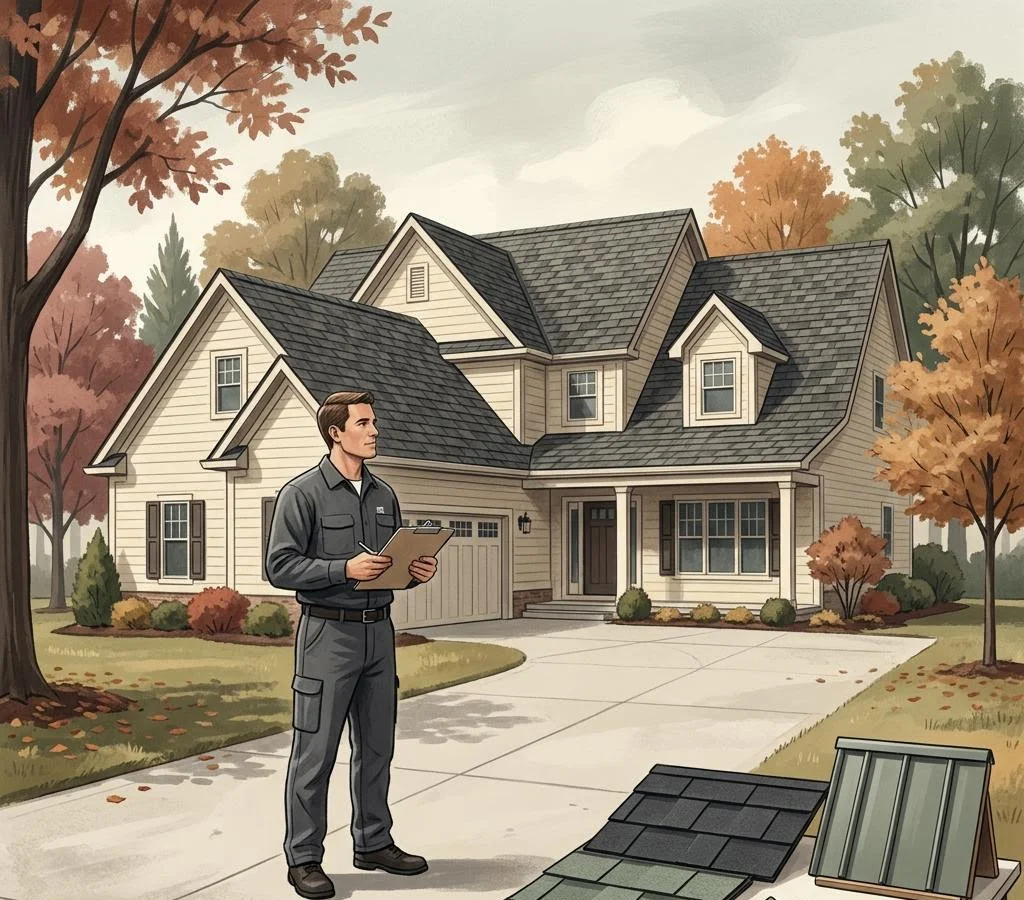
What should every roofing estimate include?
A professional roofing estimate explains the measured scope, materials and labor, prices, exclusions, payment schedule and how the customer can approve the work. Clear estimates make bids easier to compare and reduce misunderstandings. They cannot guarantee a winning bid or same-day collection.
Use these nine categories as a drafting checklist, not a statement of universal legal requirements:
- Company and customer details: Business name, contact information, property address, estimate number, date and licensing or insurance information where applicable.
- Scope of work: Roof areas, measurements, pitch, stories, existing layers, replacement work and inspection limitations.
- Materials: Manufacturer, product, color, quantities and applicable installation specifications.
- Labor: Describe installation and any separately priced difficult-access or steep-slope work.
- Tear-off and disposal: State included layers, debris handling and site protection.
- Permits and inspections: Identify responsibility, known fees and any allowances.
- Exclusions and change orders: State what is not included and how hidden conditions are priced and approved.
- Price and payment terms: Total, tax treatment, deposits, progress payments, balance timing, validity and applicable warranty terms.
- Acceptance: Name, dated approval and the contract documents or terms incorporated into acceptance.
A header that is easy to verify
Put your business details and estimate date at the top. Include license numbers and insurance references only when accurate and applicable. State a validity period based on supplier quotes and your terms; 30 days is an example, not a universal standard.
Scope and exclusions that reduce disputes
List materials and labor separately. Explain whether tear-off, disposal, flashing, gutters, decking repairs and interior work are included, excluded or covered by an allowance. Specify the written change-order process. Itemization helps communication but does not eliminate disputes or automatically make an estimate an enforceable contract.
Payment and late-fee terms must comply with applicable law. A signature may be part of contract formation, but enforceability depends on the document, circumstances and local requirements. Review consumer notices and cancellation rights before asking for acceptance.
How do you write a roofing estimate step by step?
Steps 1–3: Measure, price materials and price labor
Inspect using safe methods and verify measurements, pitch, existing layers, flashing and accessible deck condition. Aerial measurements can support estimating but do not reveal every hidden condition. One roofing square equals 100 square feet. Distinguish measured roof area from ordered material quantity.
For asphalt, a 10–15% waste factor can be a starting illustration, not a rule: roof geometry, cuts, product requirements and actual takeoff determine the allowance. Obtain current supplier prices and confirm availability. Price labor for the actual slope, access, tear-off difficulty and installation scope.
Steps 4–5: Account for overhead and margin, then write the scope
Include relevant overhead and job costs without counting the same expense twice. Markup and margin are different: adding 25% to cost does not produce a 25% margin.
For an illustrative cost basis of $8,000 and a target margin of 25%, the price is $8,000 ÷ (1 − 0.25) = $10,666.67. A 25% markup instead gives $10,000 and a 20% margin on that cost basis. Define which costs are included before calling the result gross margin or profit; taxes and other expenses may need separate treatment. See the job costing guide.
Write what will be removed, installed and protected. Identify decking assumptions, contingencies and exclusions. Use reviewed costs and supplier evidence rather than an AI draft as proof of a profitable price.
Steps 6–7: Set terms and deliver promptly
State the payment schedule, warranty documents, validity window and expected scheduling dependencies. Send the estimate as soon as it is complete and checked—ideally the same day when practical, without skipping inspection or review to meet a deadline.
Voice capture can help preserve observations while they are fresh. FieldTech turns spoken job details into editable work-order and invoice drafts for human review. Confirm the estimate-specific workflow, attachments and acceptance steps you need in the demo, rather than assuming every contract block is generated automatically.
How should a metal roofing estimate differ from an asphalt estimate?
Both need a clear scope and product specifications. Metal estimates often require more detail about panel systems, finishes, attachment and fabrication. Asphalt replacements require particular clarity about existing layers, decking and replacement components.
| Line item | Metal roofing | Asphalt shingles |
|---|---|---|
| Material specification | Panel profile, base metal, thickness or gauge, coating and color. | Manufacturer, product line, shingle type, color and quantity. |
| Underlayment | System-compatible product and temperature rating where required. | Product and protection areas appropriate to the assembly, climate and local requirements. |
| Attachment | Exposed fasteners or concealed clips, closures and system-specific details. | Fastener type and installation requirements for the selected product and site. |
| Warranty | Separate finish, material, workmanship and any available weathertight coverage. | Separate manufacturer and contractor workmanship coverage. |
| Schedule | Verified fabrication and delivery dependencies before installation. | Product availability, weather, permits and crew availability. |
Lead times and deposit terms
For made-to-order panels, state the supplier-confirmed lead time and what starts the order process. A larger deposit is not automatically appropriate or lawful; match payments to actual obligations and local deposit rules. Do not promise a fixed start date for either system without checking dependencies.
Decking and hidden conditions
State the included tear-off layer count and any known deck repair scope. For concealed damage, include a unit rate or allowance and a documented approval process. A per-sheet rate helps planning, but does not authorize unlimited additional work without the agreed approval.
Annotated template: asphalt shingle roofing estimate
The following is an illustrative sample, not a local market quote or a complete contract. Replace every assumption, product and quantity with verified job information. Line prices are selling prices; do not add installation labor again if it is already included elsewhere.
Copy-ready estimate structure
ROOFING ESTIMATE — [Business name]
Estimate #[001] · Date: [date] · Valid through: [date]
Customer: [name] · Property: [address]
Contractor contact and applicable license: [details]
Roof: [measured area, pitch, stories] · Existing layers: [verified count]
Ordered shingles: 32 squares [state waste allowance separately from measured roof area]
| Line | Included scope | Illustrative price |
|---|---|---|
| Tear-off and disposal | Remove one existing layer; dumpster and haul-away included | $1,850 |
| Underlayment | Specified synthetic underlayment and ice-and-water protection where required | $940 |
| Architectural shingles | [Manufacturer, product, color], 32 roofing squares of ordered material | $4,200 |
| Shingle installation labor | Installation for the measured scope described above | $2,000 |
| Flashing | Specified step flashing, pipe boots and valley metal | $780 |
| Ridge vent and cap | 42 linear feet, subject to ventilation design and product requirements | $610 |
| Permit and inspection allowance | Confirm local requirements and actual fee | $250 |
| Cleanup | Magnetic nail sweep and final site cleanup | Included |
| Illustrative total before any applicable tax | $10,630 | |
Decking contingency: [Included quantity, if any]. Additional approved replacement: $[rate] per [specified sheet or unit], subject to written change order.
Exclusions: [Gutters, structural work, interior repairs and other excluded items].
Warranty: [Attach actual manufacturer and workmanship terms].
Payment: Illustrative deposit $3,000, only if lawful and agreed; remaining $7,630 before tax or approved changes, due [defined milestone]. State any applicable tax and final contract total before acceptance.
Schedule: [Estimated window and dependencies].
Acceptance: Customer name ______ · Signature ______ · Date ______
[Attach required notices, cancellation rights and contract terms before signing.]
What these lines communicate
The tear-off line explains disposal instead of leaving it implied. The product lines make alternatives easier to compare. Separate labor keeps the price structure visible. “Included” cleanup clarifies scope without inventing an extra charge. The contingency line explains how a surprise is handled.
The total, tax treatment, deposit and balance should reconcile. A written payment method and next step can reduce follow-up, but neither this template nor an app guarantees a signed approval or deposit before you leave.
Annotated template: metal roofing estimate
Use this structure with supplier-confirmed specifications. The example is not a recommendation that every building use 24-gauge steel or a particular finish. Roof design, wind requirements, manufacturer instructions and local code govern the selected assembly.
Copy-ready metal estimate structure
METAL ROOF ESTIMATE — [Business name]
Customer: [name] · Property: [address]
Estimate #[number] · Date: [date] · Valid through: [date]
Contractor contact and applicable license: [details]
- Tear-off and disposal: [Existing material and layers], [measured squares], protection and haul-away — $[price].
- Deck inspection and repairs: [Known scope]; concealed repairs only under the stated change-order process — $[allowance or unit rate].
- Underlayment: [Manufacturer, product, system compatibility and required protection areas] — $[price].
- Panels: [Manufacturer and profile], [base metal and gauge/thickness], [color], [verified coating specification], [quantity]. For example, a specified 24-gauge standing-seam steel product if appropriate — $[price].
- Attachment and accessories: [Clips or fasteners, closures, ridge and ventilation components, pipe boots] — $[price].
- Flashing: [Chimney, sidewall, counterflashing and other details], fabricated for the selected system — $[price].
- Labor: [Measured scope, access and installation assumptions] — $[price].
- Permits, inspections and cleanup: [Responsibility and itemized fees] — $[price].
- Lead time: [Supplier-confirmed fabrication and delivery estimate], measured from [order milestone]; installation subject to [dependencies].
- Warranty: [Actual finish/material coverage], [contractor workmanship coverage] and any separate weathertight terms, with exclusions and documents attached.
Subtotal: $[amount] · Applicable tax: $[amount] · Total: $[amount]
Deposit: $[lawful agreed amount] due [milestone] · Progress payments: [if any] · Balance: [amount and milestone]
Exclusions and change orders: [written terms]
Customer acceptance: Name ______ · Signature ______ · Date ______
[Attach applicable contract notices and cancellation rights.]
What the specifications and terms communicate
A named profile, thickness, coating and attachment system makes meaningful bid comparison possible. Lead-time wording separates ordering from installation. Separate warranty categories prevent a finish warranty being mistaken for a leak guarantee.
Do not copy the source document's example warranty lengths or fabrication window as promises. Only offer coverage you or the manufacturer actually provide. These templates work in your existing process; software is optional.
When should a roofer offer a free estimate or charge for an inspection?
When a free estimate may fit
A straightforward residential replacement may justify a no-charge sales estimate. Qualify the request first: address, approximate roof age, stories, known problems and customer-provided photos. Evaluate travel and inspection effort against the potential job, without treating every request as a guaranteed sale.
When a paid service may fit
A detailed written condition report, specialized consultation or other defined deliverable may justify a disclosed fee. A $100–$200 fee is an illustration from this guide, not a verified local benchmark. Agree on the scope and price before the visit, and state whether the fee is credited toward a later contract.
Structural assessments and insurance-related services may require particular qualifications or legal authority. Do not offer professional services beyond your competence or authorization. Explain what your inspection can and cannot establish, especially where concealed conditions are involved.
How does a roofing estimate app change the writing process?
The useful change is capturing details while they are fresh instead of reconstructing them at home. Record observations safely, attach relevant photos where supported and use reusable line items. Then verify measurements, products, quantities, prices, tax and terms before sending.
When the estimate starts as a voice note
A dictated note can capture pitch, flashing observations and the intended scope. It cannot verify a measurement, uncover hidden damage or decide the correct roof assembly. Review transcription errors and distinguish observed facts from assumptions.
FieldTech's core workflow creates editable work-order and invoice drafts from voice notes. Optional equipment-memory and margin-review tools must be verified for your account; they are not proof of roof measurement, automatic code compliance or a specialized roofing estimating engine. Test the estimate, signature, payment and attachment steps you need in the demo.
Compare the same job across tools
Ask Jobber, Housecall Pro, Workiz, ServiceTitan and FieldTech to demonstrate your actual workflow on the intended plan and device. Compare review time, exports, required add-ons and full-team price rather than unsupported claims about which platform always wins.
FieldTech Standard is $29.99 per month equivalent, billed $359.88 annually, for up to five users; Unlimited is $600 per month. Taxes may apply. Check current pricing, the software comparisons and the buyer's guide before committing.
What common estimate mistakes cost roofers bids or margin?
Mistakes that make bids hard to evaluate
“Replace roof” gives the customer little basis for comparison. Describe the product, area, tear-off, installation and cleanup. Send a checked estimate promptly and provide a clear next step. Do not claim the first bid always wins or manufacture urgency with an unsupported expiration deadline.
Mistakes that can undermine the job economics
Unpriced labor, double-counted disposal, missing decking assumptions and confusing markup with margin can all distort pricing. Missing exclusions and an unclear approval process make scope changes harder to handle. Review the cost basis and contract terms before accepting work.
State the lawful payment schedule and confirm acceptance. Check local licensing, insurance disclosures, consumer-protection rules, cancellation rights and any required contract language. A signature block alone does not settle every legal requirement.
How do you present a website roofing estimate calculator?
Use a clearly explained preliminary range
A calculator can help a visitor understand the factors affecting a budget before inspection. Ask for relevant inputs such as size, material, stories and pitch if known. Use reviewed local assumptions and show what is included, excluded and uncertain.
A band such as $7,500–$11,500 for an assumed 25-square asphalt replacement is only an illustrative example, not a current market range. Do not publish those figures as your price without validating your own costs, location and scope.
Put the limitations next to the result
“Preliminary budget range only, based on the inputs and assumptions shown. Final scope and pricing require inspection and written agreement, including decking condition, flashing and applicable local requirements.”
Do not assume a disclaimer automatically prevents a calculator result from having legal consequences. Avoid presenting a range as a binding quote or guaranteed price. If you request contact details, explain how they will be used and collect only what you need with appropriate privacy and marketing consent.
Use the calculator to prepare for a conversation, not to replace safe inspection, qualified judgment or a complete estimate. For the paperwork that follows, request FieldTech access to discuss the workflow you need.
FAQ
A free sales estimate may suit a straightforward replacement; a defined inspection report or specialist consultation may justify a disclosed fee. The $100–$200 example in this guide is illustrative, not a local benchmark. Agree on scope, qualifications, pricing and any later credit before the visit.
Use the asphalt or metal structure in this guide, replacing all assumptions with verified job information. Include company details, measured scope, materials, labor, tear-off, permits, exclusions, tax, payment terms and acceptance. Attach required contract notices; the samples are not complete legal contracts.
Templates and reviewed line items can reduce drafting time, but inspection, supplier quotes, measurements and scope complexity determine the total effort. Capture details promptly and send a checked estimate when ready rather than skipping review to meet a promised time.
State an explicit validity period based on supplier pricing, availability and your terms. Thirty days is an example, not a universal rule. Applicable law and the document's wording affect acceptance and expiration; confirm revised pricing in writing when necessary.
It can be, depending on its wording, acceptance, the circumstances and applicable law. A signature may be part of forming a contract, but does not automatically make every estimate enforceable or satisfy required disclosures and cancellation rights. Get locally appropriate legal review of your contract documents.
Further reading
Outside resources for context. Listing them isn't an endorsement, and product details change — check the current source.
- Job costing for small home-services shops
- Work order management software: a buyer's guide
- FieldTech software comparisons
- FieldTech pricing and billing terms
- FieldTech product updates
- Metal Roofing Alliance: homeowner resources
All sample prices, quantities, fees, margins and time windows are illustrative—not market benchmarks, supplier quotes or guaranteed results. Verify products, building requirements, permits, warranties and local contract rules for each job. This is general information, not engineering, legal, insurance, tax or accounting advice.